
Get Industrial Fence Installation
Local contractors offer industrial fence installation services to secure properties, define boundaries, and support projects like warehouses, factories, or construction sites.
If you are considering industrial fence installation, you are in the right place to explore your options. Property owners in the area often seek fencing solutions to enhance security, define property boundaries, or improve privacy around their facilities. Planning such projects involves evaluating different approaches and selecting experienced local contractors who can deliver reliable results tailored to your specific needs. Continuing to browse can help you compare available services and find the right fit for your property.
Connecting with local service providers can simplify the process of implementing a durable and effective fencing system. Whether the goal is to secure a commercial site, protect valuable assets, or establish clear property limits, there are experienced professionals ready to assist. Keep reading to learn more about the benefits of working with local contractors and how they can support your industrial fencing project from start to finish.
- Industrial Fence Installation - when a business needs to secure a large commercial property or warehouse.
- Security Fencing - for facilities requiring high-security barriers to protect assets and personnel.
- Perimeter Fencing - to define property boundaries and prevent unauthorized access around industrial sites.
- Chain-Link Fence Installation - for quick, durable enclosures around construction zones or storage areas.
- Heavy-Duty Fence Installation - when industrial operations demand robust fencing solutions to withstand harsh conditions.
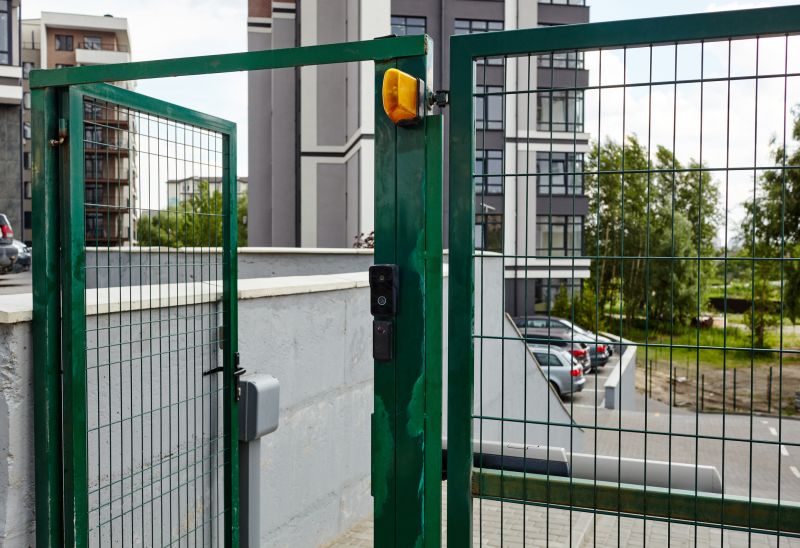
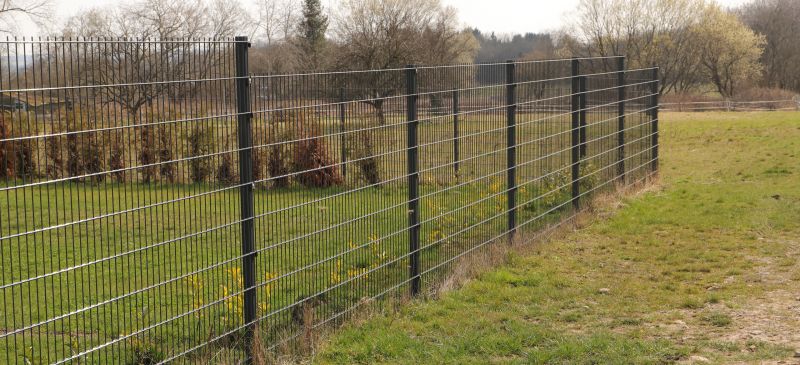
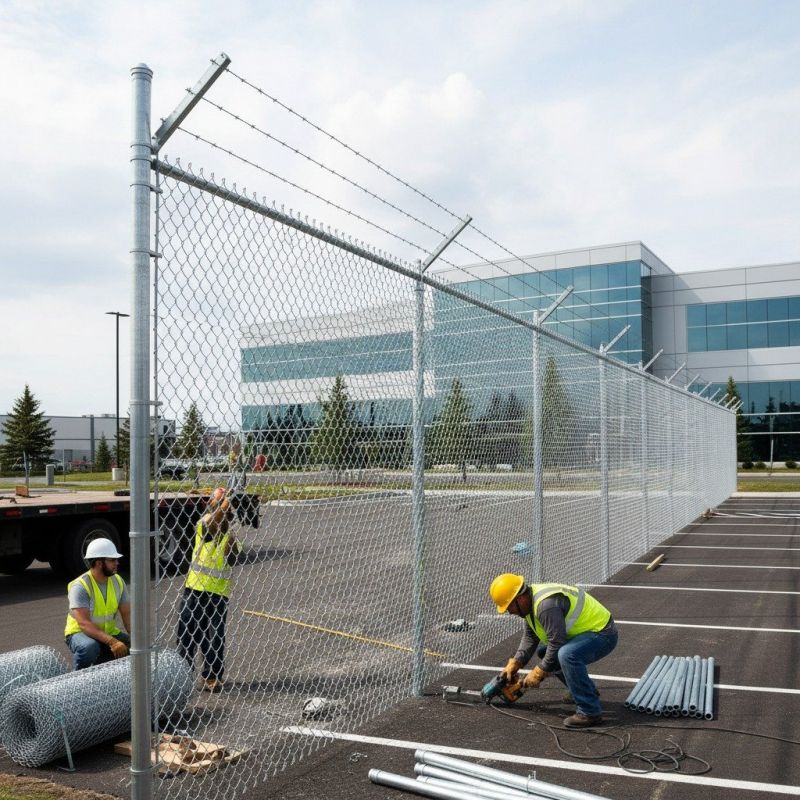
Industrial fence installation services involve the design, placement, and securing of durable fencing around commercial, industrial, and large-scale properties. These services typically include selecting the appropriate fencing materials, preparing the site, and installing fences that meet specific security and boundary requirements. Local contractors often handle these projects, ensuring that fences are installed correctly to provide long-lasting protection and clear property demarcation. Whether it’s a manufacturing plant, warehouse, or distribution center, professional installation helps ensure the fence is both functional and compliant with any relevant regulations.
One of the primary issues that industrial fencing helps address is security. Fences serve as a barrier to unauthorized access, helping to protect valuable assets, equipment, and personnel. They also assist in controlling access points, which can be crucial for safety and security protocols. Additionally, fences can help prevent theft, vandalism, and trespassing, making them an essential part of security planning for many industrial properties. Properly installed fences can also reduce liability by clearly defining property boundaries and restricting entry to authorized individuals only.
Industrial fencing is commonly used on properties that require high security, privacy, or boundary delineation. This includes factories, warehouses, construction sites, and storage facilities. These properties often have large perimeters that need to be secured with fences made of materials such as chain link, steel, or barbed wire. Some properties may also require specialized fencing to withstand harsh environmental conditions or to meet specific safety standards. Regardless of the type of property, professional fencing installation ensures that the fencing system is robust, reliable, and suited to the property’s unique needs.
Homeowners or property managers considering industrial fence installation should recognize when such services might be necessary. This can include situations where there is a need to secure a large yard, protect outdoor equipment, or create a clear boundary around a commercial property. Industrial fencing can also be useful for properties that require high visibility security measures or where existing fences need replacement or reinforcement. Contacting experienced local service providers can help evaluate the best fencing options and ensure the installation is performed to meet the property’s security and operational goals.
The overview below groups typical Industrial Fence Installation projects into broad ranges so you can see how smaller, mid-sized, and larger jobs often compare in your area.
In many markets, a large share of routine jobs stays in the lower and middle ranges, while only a smaller percentage of projects moves into the highest bands when the work is more complex or site conditions are harder than average.
Smaller Repairs - Typical costs for minor fence repairs or partial replacements range from $250 to $600. Many routine jobs fall within this range, depending on the extent of damage and materials used.
Standard Fence Installation - Installing a new fence for a standard-sized property usually costs between $1,500 and $4,000. Most projects in this category tend to land in the middle of this range, with fewer reaching higher amounts.
Large or Complex Projects - Larger, more intricate fence installations, such as custom designs or extensive perimeter fencing, can range from $5,000 to $10,000 or more. These projects are less common but are handled by experienced local contractors.
Full Fence Replacement - Replacing an existing fence entirely typically costs between $3,000 and $8,000, depending on size, materials, and features. Many property owners opt for mid-range options, while premium materials push costs higher.
Actual totals will depend on details like access to the work area, the scope of the project, and the materials selected, so use these as general starting points rather than exact figures.
Perimeter Security Fencing - local contractors can install fencing around commercial or industrial properties to enhance security and define boundaries.
Warehouse Enclosure Projects - similar skills are used to set up enclosures that secure storage areas, requiring precise planning and durable fencing materials.
Construction Site Barriers - local service providers can set up temporary fencing to secure active construction zones and ensure safety compliance.
Agricultural Fencing - installing fences to contain livestock or protect crops involves planning and skills comparable to industrial fencing projects.
Utility and Equipment Enclosures - local pros can build secure enclosures around utility equipment, requiring similar planning and fencing techniques.
Security Gate Installation - installing access points with gates often accompanies fencing projects and involves similar tools and planning considerations.
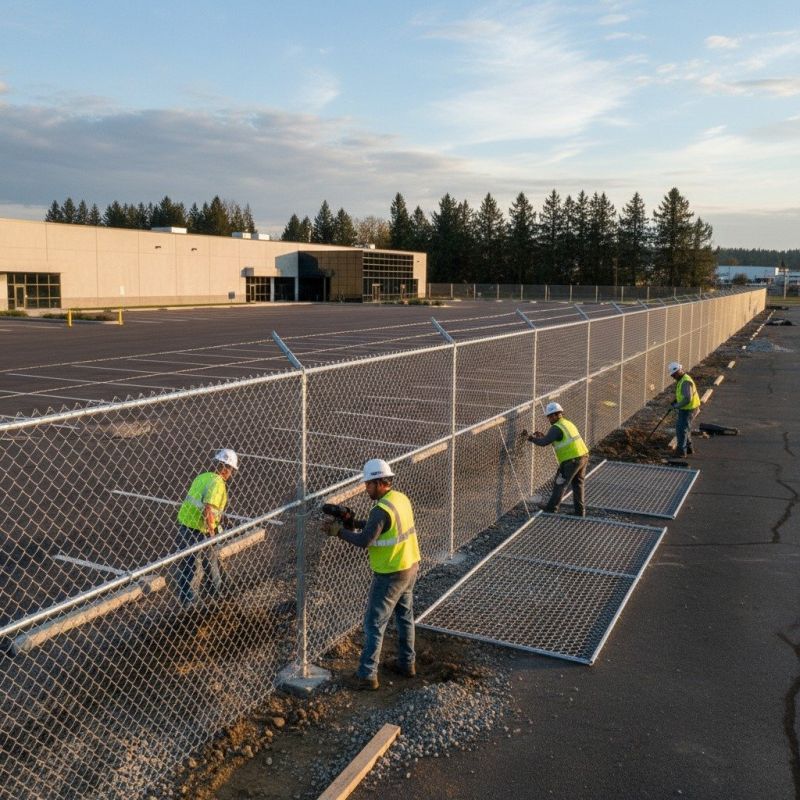
When evaluating potential service providers for industrial fence installation, it’s important to consider their experience with similar projects. A contractor who has successfully completed fences of comparable size, material, or purpose is more likely to understand the specific requirements and challenges involved. This familiarity can help ensure that the installation process proceeds smoothly and that the final result meets expectations. Homeowners should look for local contractors who can demonstrate a history of handling projects similar in scope and complexity to their own.
Clear, written expectations are essential for a successful working relationship. When comparing options, it’s helpful to review detailed proposals or estimates that outline the scope of work, materials to be used, and the responsibilities of each party. Having this information in writing reduces misunderstandings and provides a reference point throughout the project. Homeowners should seek local service providers who are transparent about their processes and willing to communicate openly about project details, ensuring everyone is aligned from the outset.
Reputable references and good communication are key indicators of a trustworthy contractor. Asking for references from previous clients can provide insight into the quality of work and reliability of the service provider. Additionally, responsive and clear communication during the initial stages can reflect how smoothly the project will progress. Homeowners are encouraged to connect with local contractors who are known for their professionalism and ability to keep clients informed, as these qualities contribute to a positive experience from start to finish.
Property owners use Industrial Fence Installation services for practical projects around their homes and businesses. This guide focuses on everyday jobs and straightforward project options.
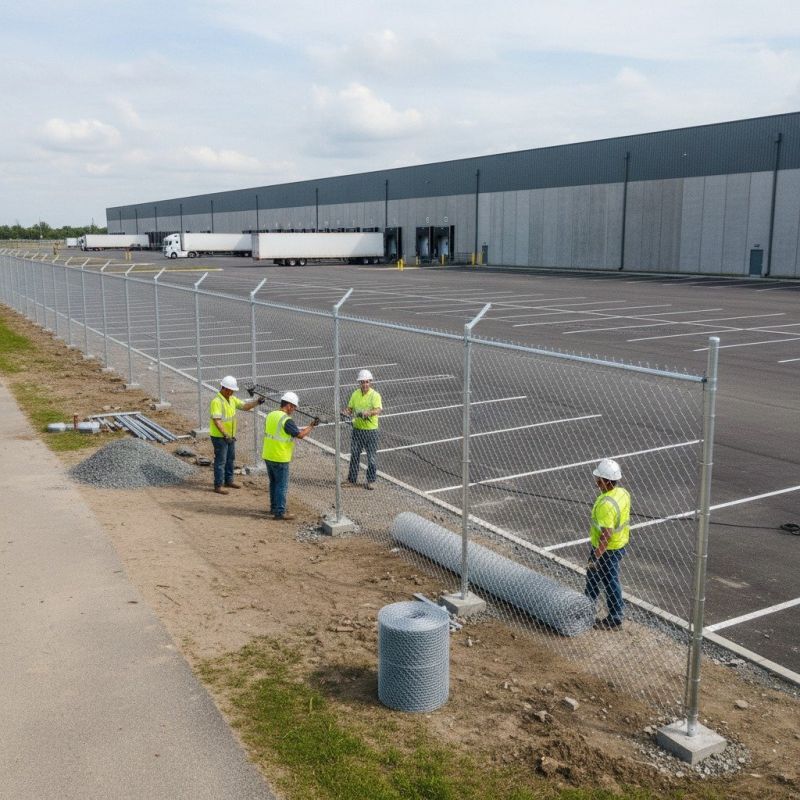
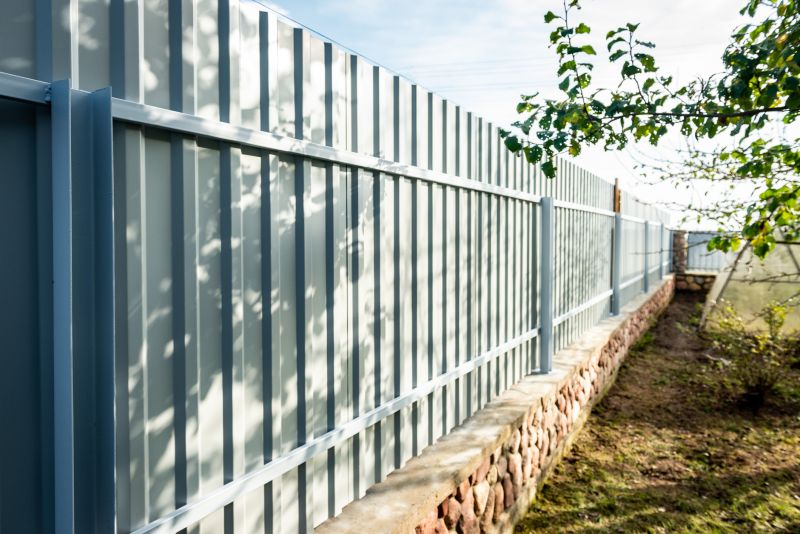
Industrial fence installation is a common project for property owners seeking to secure their facilities, define boundaries, or enhance privacy. Whether it's for a manufacturing site, warehouse, or storage yard, many local property owners look for durable fencing solutions to keep their assets safe and prevent unauthorized access. These projects often involve replacing old or damaged fences, adding new barriers for security reasons, or extending existing fencing to accommodate expanding operations.
Local contractors who specialize in industrial fencing are experienced in handling a variety of project situations, from installing high-security fences around commercial properties to setting up perimeter barriers for industrial complexes. Property owners may seek these services to improve safety, meet regulatory requirements, or simply improve the overall appearance of their property. Connecting with local service providers can help ensure the work is completed efficiently and to the specific needs of each project.
What types of industrial fences can local contractors install? Local contractors can install various types of industrial fences, including chain-link, barbed wire, steel panel, and security fences, depending on the specific needs of the property.
Are there different fencing options suitable for high-security industrial sites? Yes, service providers offer high-security fencing options such as reinforced steel fences, anti-climb barriers, and additional security features tailored for industrial security requirements.
Can local contractors handle custom fence designs for industrial properties? Many service providers can accommodate custom fencing designs to meet specific industrial site requirements, including unique dimensions and security features.
What materials are commonly used for industrial fencing installations? Common materials include galvanized steel, aluminum, chain-link mesh, and sometimes vinyl-coated options, chosen for durability and security.
Do local pros provide installation services for fencing around industrial equipment or storage areas? Yes, local contractors can install fences around industrial equipment, storage tanks, and other site features to ensure security and boundary definition.
Perimeter Security - Installing an industrial fence can help define property boundaries and prevent unauthorized access to sensitive areas.
Safety Enclosures - Fences can create secure zones around machinery or hazardous materials to protect workers and visitors.
Privacy Barriers - An industrial fence provides privacy for operations or storage areas, reducing visibility from outside the property.
Storage Protection - Fencing can secure outdoor storage spaces, keeping equipment and supplies safe from theft or vandalism.
If you are thinking about Industrial Fence Installation for a property, this guide is meant to help you understand the work, the typical project types, and how different options might fit your plans.
When you are ready, you can use the quote form on this page to share a few details about your project. From there, local pros can review the basics and respond with options that match what you have in mind.